
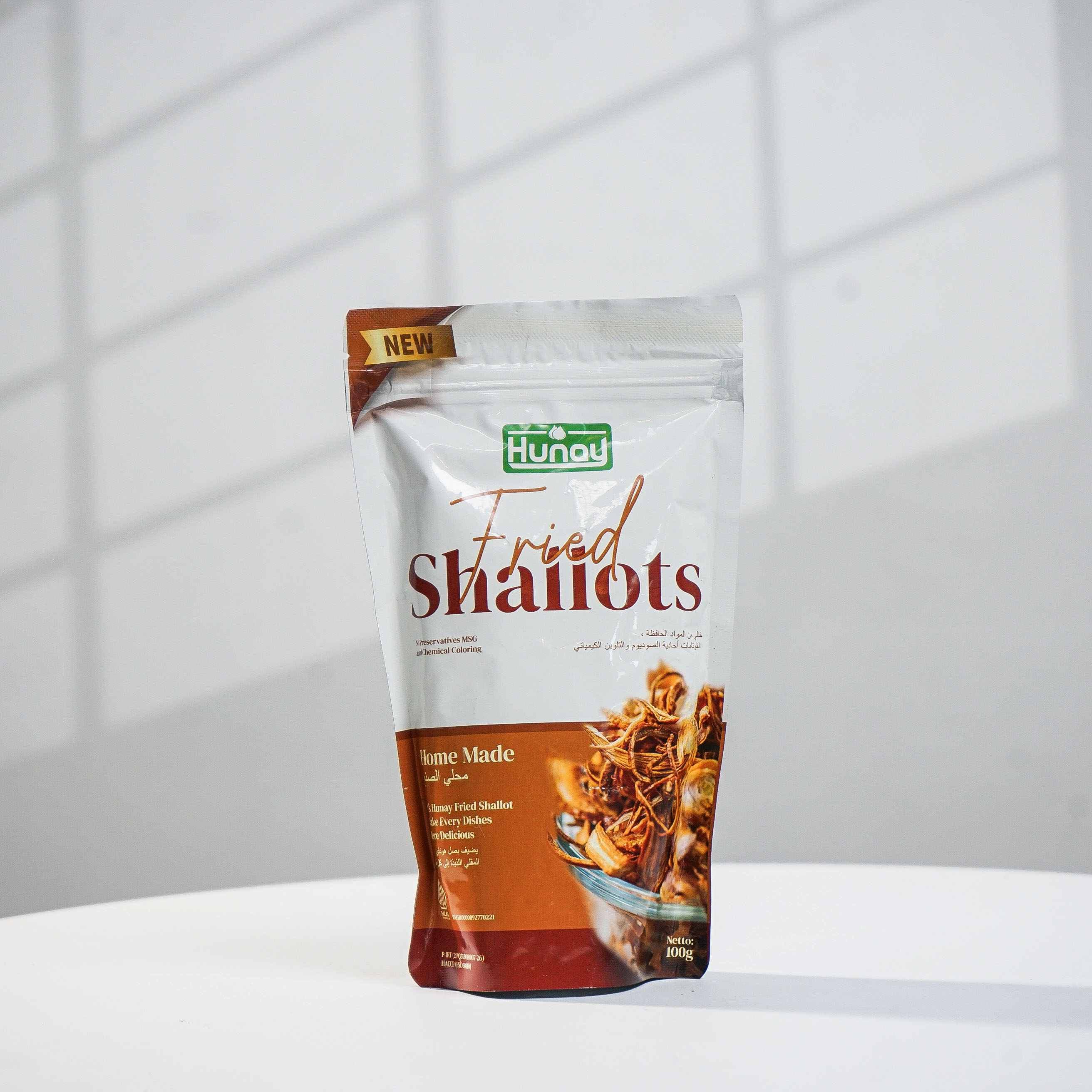
Fried shallots sell well in Asian grocery stores, online shops and specialty food stores. Many importers and retailers no longer want to resell another company's brand. They want their own label on the shelf.
That is what private label (also called OEM or, in Indonesia, maklon) means: a manufacturer produces the product, and it is packed and sold under your brand. This guide explains how it works and what to plan before your first order.
Why Sell Fried Shallots Under Your Own Brand?
- Better margins. You set the retail price and are not competing on the same brand as other shops.
- Customer loyalty. Shoppers who like the product come back to your brand, not the factory's.
- Flexibility. You choose the pack size, design and story that fits your market.
- No factory needed. You get a finished, export-ready product without investing in production.
Who Uses Private Label Fried Shallots?
- Importers and distributors building a house brand for Asian grocery chains
- Supermarkets and online sellers adding an Asian pantry line
- Restaurant groups selling their signature topping to customers
- Food brands that already sell sauces, noodles or spices and want a matching topping
How Private Label Production Works
1. Choose the product
Decide what goes in the pack: fried shallots, fried garlic, or both. Check the ingredient list. The cleanest version is just shallots, oil and salt — no flour or starch filler. Clean-label products are easier to sell and to label in strict markets.
2. Test samples
Ask for samples of the base product before you design anything. Check crispness, color, oil level and taste. If possible, let a few of your target customers try it too.
3. Pick the packaging
The pack affects both shelf appeal and shelf life. Common options:
- Stand-up pouch with zipper — light, cheap to ship, good for retail
- Plastic jar — sturdy, reusable, good for restaurants and premium retail
- Bulk bags in cartons — for food service and repacking
Fried shallots must be protected from moisture. Ask for packs with a good moisture barrier, sealed properly. Vacuum-packed product typically keeps 6–12 months unopened.
4. Prepare your label
Your label must meet the rules of the country where it is sold. Typical items include:
- Product name and brand
- Ingredient list and allergen information
- Net weight
- Nutrition facts (format depends on the country)
- Country of origin
- Importer or distributor details
- Best-before date and lot number
- Halal logo, if certified and allowed in your market
Label rules differ between the US, Japan, Korea, Australia, Canada and the EU. Check with your importer, customs broker or a labeling consultant before printing.
5. Agree on terms
Confirm the minimum order quantity, price per unit, lead time, payment terms and Incoterms (such as FOB or CIF). Private label orders usually take longer than standard orders because packaging has to be printed first.
6. Approve a pre-production sample
Before full production, ask to see a finished pack with your real label. Check spelling, colors, barcode and seal quality. Small mistakes are cheap to fix now and expensive after printing.
Common Mistakes to Avoid
- Designing the pack before testing the product. Start with what is inside.
- Choosing the cheapest film. A thin pouch saves a little money but lets in moisture, and soft shallots mean unhappy customers.
- Copying another country's label. Rules differ. A label that works in Singapore may not pass in Japan.
- Ordering too much on the first run. Start with a manageable volume, learn what sells, then scale up.
- Not asking for certificates. Retailers and importers will ask for Halal, HACCP or ISO documents. Get copies early.
Private Label with Hunay
Hunay offers private label fried shallots and fried garlic, from raw shallots to finished goods in your packaging and label.
- Raw material: biru lancor shallots from Probolinggo, East Java
- Ingredients: shallots or garlic, coconut oil and salt — no flour, no preservatives
- Certifications: Halal MUI, BPOM, ISO 9001:2015, HACCP, GMP — copies on request
- Shelf life: 6–12 months unopened (vacuum packed)
- Markets: Japan, South Korea, Canada, Singapore, the United States and Australia
Tell us your brand, market and expected volume on our wholesale page, and we will reply with samples, packaging options and a quotation.
Quick Summary
- Private label lets you sell fried shallots under your own brand without owning a factory.
- Test the product first, then choose packaging, then design the label.
- Follow the labeling rules of your destination country.
- Approve a pre-production sample before the full run.